
What is Textured Paint?
What is Textured Paint?
A Complete Guide for Exterior & Interior Applications
Textured paint, also known as texture coating, stucco paint, or artistic paint, is a decorative coating designed to create three-dimensional surface effects on walls. Unlike traditional flat paints, textured paint enhances both the visual depth and tactile experience of a surface.
It is widely used for exterior facades and interior decoration, combining aesthetics with durability and protection.
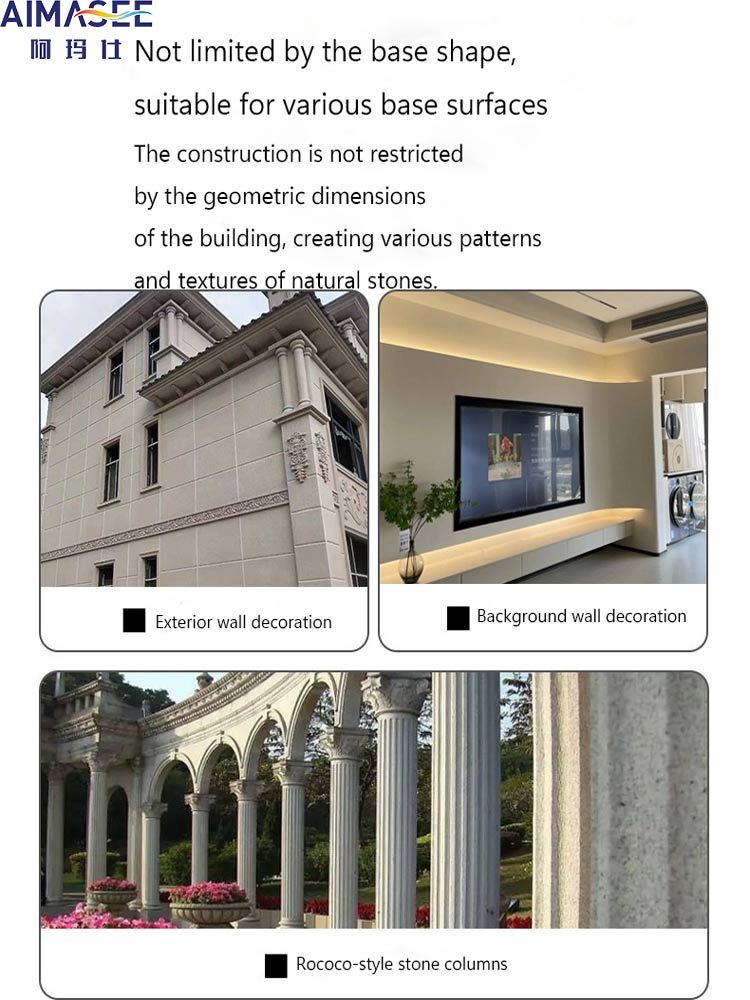
1. What is Textured Paint?
Textured paint is a specialized coating formulated with aggregates, resins, and additives that allow it to form raised patterns and textured finishes during application.
Depending on the formulation and tools used, it can replicate natural materials such as:
- Stone (granite, marble)
- Wood grain
- Fabric or leather textures
- Concrete or industrial finishes
In simple terms, any coating that creates a visible texture within 3mm thickness can be considered textured paint.
2. Key Features of Textured Paint
✔ Decorative & Natural Appearance
Textured coatings can imitate natural materials like stone, wood, and fabric, giving buildings a more premium and architectural look.
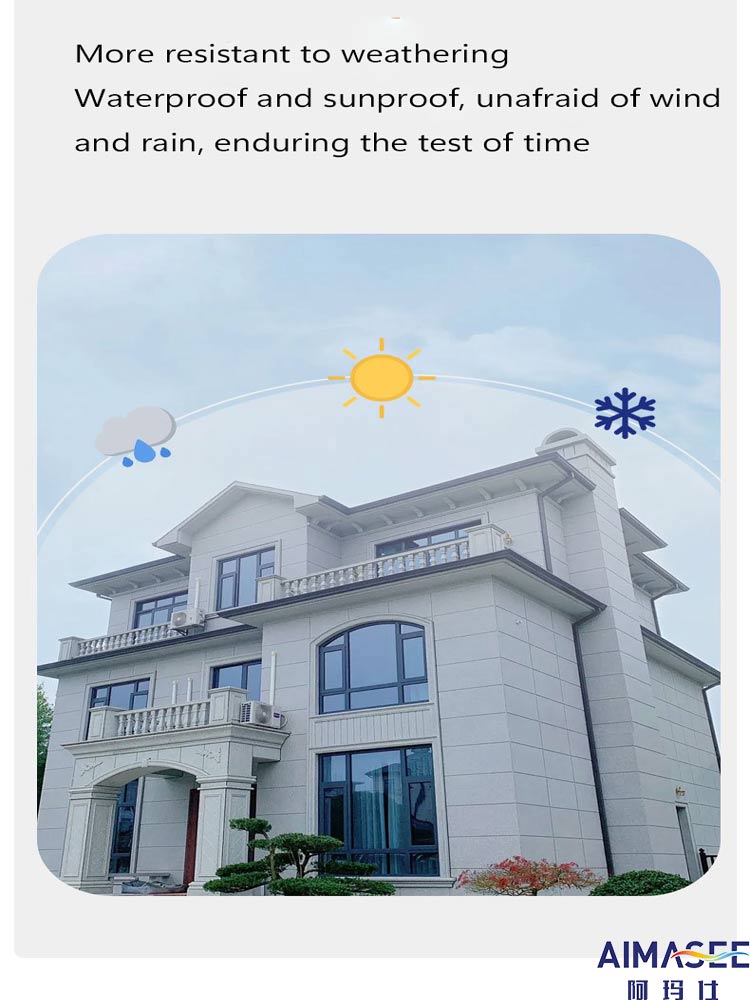
✔ Strong Weather Resistance (Exterior Use)
High-quality textured paints offer:
- UV resistance
- Moisture protection
- Crack resistance
- Freeze-thaw durability
This makes them ideal for long-term outdoor applications.
✔ Eco-Friendly Formulation
Most modern textured paints are water-based, with:
- Low VOC content
- Non-toxic and safe for humans
- Compliance with international environmental standards
✔ Flexible Application Methods
Different tools create different effects:
- Roller → subtle texture
- Trowel → bold patterns
- Spray gun → uniform finishes
- Texture comb → wood or special effects
✔ Surface Protection
Beyond decoration, textured paint also provides:
- Waterproofing
- Anti-mold performance
- Alkali resistance
- Extended wall lifespan
3. Common Types of Textured Paint
By Texture Effect
- Orange Peel Texture Paint
Fine, slightly rough surface; widely used for walls and ceilings - Sand Texture Paint (Sand Finish)
Contains fine sand particles; durable and slip-resistant - Crack Effect Paint (Crackle Finish)
Creates vintage cracked patterns for decorative use - Wood Grain Paint
Simulates natural wood; popular in resorts, villas, and landscape projects
By Material & Style
- Stucco / Relief Paint
Thick coating that creates strong 3D effects - Metallic Texture Paint
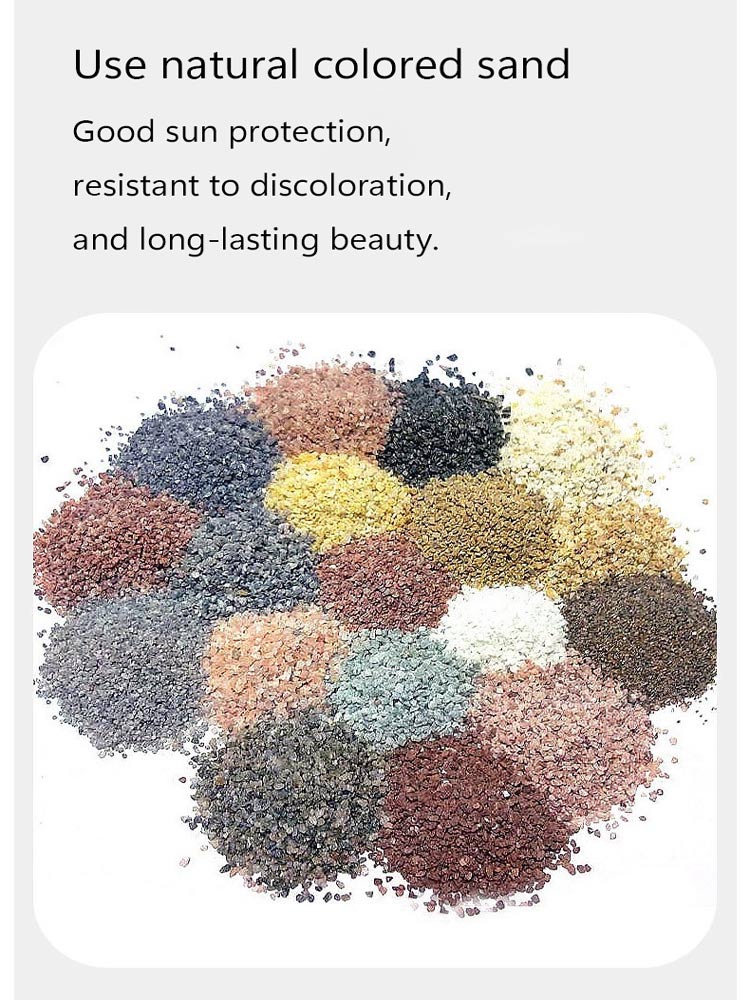
Contains metallic pigments for a modern luxury look - Stone Effect Paint
Mimics granite or marble; commonly used on exterior walls - Fabric / Soft Texture Paint
Provides a delicate and warm interior finish 
4. Applications of Textured Paint
Exterior Applications
- Villas and residential buildings
- Commercial facades
- Cultural and tourism projects
- Renovation and insulation systems
Textured paint is often used as a lightweight alternative to natural stone, reducing cost and structural load.
Interior Applications
- Living rooms and feature walls
- Bedrooms and study rooms
- Hotels and retail spaces
- Offices, schools, and hospitals
It adds depth, personality, and artistic value to interior spaces.
5. Typical Application Process (Exterior Example)
- Surface Preparation
Ensure the wall is clean, dry, and free of cracks or oil - Apply Putty (Leveling Layer)
Smooth and level the surface - Primer Application
Use anti-alkali primer to improve adhesion - Textured Coating Application
Apply using spray, roller, or trowel with desired tools - Pattern Creation
Use special tools (e.g., texture comb) to create effects - Topcoat Protection
Apply clear or matte topcoat for durability
6. Advantages of Textured Paint
- Enhances architectural appearance
- Covers minor wall defects and cracks
- Durable and long-lasting (8–15 years depending on quality)
- Easy maintenance and cleaning
- Suitable for both modern and classic design styles
7. How to Choose the Right Textured Paint
When selecting textured paint, consider:
- Application area(interior vs exterior)
- Desired texture effect(smooth, rough, artistic)
- Climate conditions(humidity, UV exposure, temperature changes)
- Durability requirements
- Budget and project scale
For outdoor use, always choose coatings with high weather resistance and flexibility.
Conclusion
Textured paint is more than just a decorative material—it is a functional and aesthetic solution for modern architecture. Whether you want a natural stone look for your exterior or a stylish artistic wall indoors, textured coatings provide endless design possibilities with long-lasting performance.