
What is Natural Stone Paint?
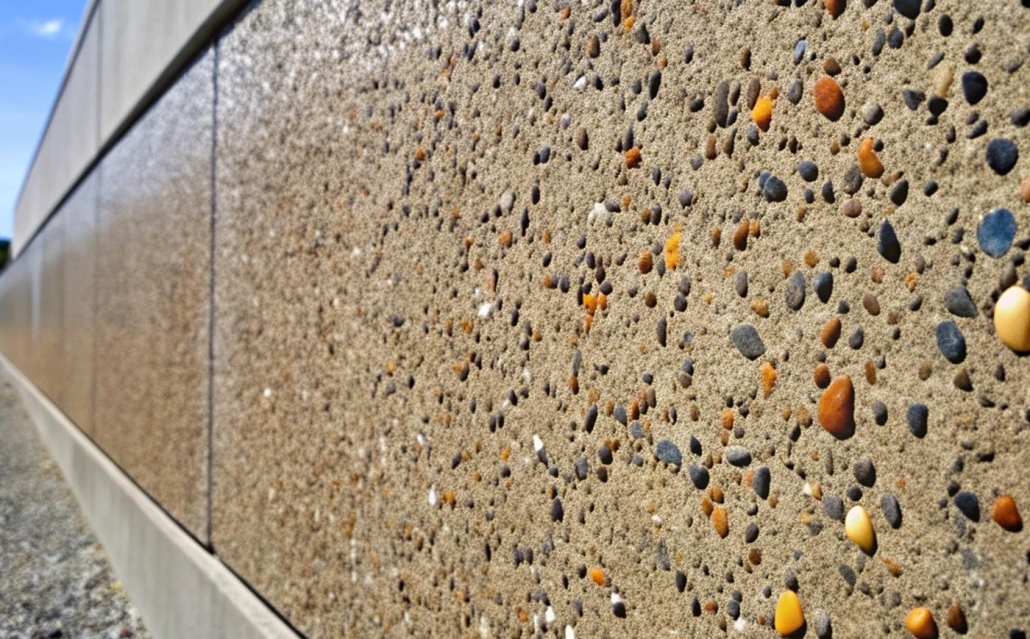
Natural Stone Paint (also known as liquid stone coating) is a decorative exterior wall coating designed to replicate the appearance of natural marble and granite. It is mainly formulated using natural colored stone powder and acrylic binders, creating a textured, stone-like finish widely used in modern architecture.
Key Advantages of Natural Stone Paint
1. Safety
Unlike natural stone cladding, real stone paint does not pose a risk of falling off in large pieces, ensuring higher safety for buildings.
2. Strong Decorative Effect
Natural and elegant stone-like texture
Flexible design for different patterns and structures
Provides a premium, classic, and solid visual appearance
Ideal alternative to dry-hanging stone systems
3. Wide Application Range
Suitable for multiple substrates:
Cement walls
Brick surfaces
Foam panels
Gypsum boards
Aluminum panels
Glass surfaces
4. Long Service Life
High-quality real stone paint systems can last over 15 years with proper application.
5. Eco-Friendly
Water-based formula, non-toxic and environmentally friendly, compliant with modern green building standards.
6. Good Dirt Resistance
Strong anti-fouling performance
Most dirt does not easily adhere
Surfaces remain clean after rain
Coating Performance
-
Hardness
After drying, the coating forms a hard and durable surface that cannot be scratched by fingernails under normal conditions.
If the coating remains soft after several days, it usually indicates:
Improper binder (emulsion) selection
Insufficient bonding strength
Recommended technical requirements:
Bonding strength ≥ 3 MPa
Appropriate minimum film-forming temperature
High-quality formulations use composite acrylic emulsions to ensure hardness and durability.
-
Water Resistance
A good real stone paint system should:
Resist water penetration
Maintain stable color (no whitening after rain)
Prevent coating loosening
Poor-quality products may turn white after rain due to:
Excess surfactants
Use of water-soluble additives
High-performance systems use silicone-modified acrylic emulsions, which provide excellent water resistance and prevent whitening.
Application Equipment Requirements
Air compressor: ≥ 5 HP, sufficient air volume
Spray gun (lower pot): capacity ~500 ml, nozzle ≥ 1.3 mm
Stone paint spray gun: single, double, or multi-gun depending on effect
Nozzles: 4 mm / 5 mm / 6 mm / 8 mm (affects texture and finish)
Application Process
Basic Steps
Ensure the surface is flat, solid, and crack-free
Apply alkali-resistant primer
Spray or apply real stone paint (1–2 coats)
After 48 hours, apply topcoat (clear protective layer)
Use complete coating system (primer + middle + topcoat) for best performance
Spraying Techniques
Columns (round): Spray in “M” pattern from top to bottom
Square columns: Maintain ~50 cm distance for even edges
Flat walls: Circular spraying motion for uniform texture
Decorative brick effect: Use masking tape or frames before spraying Applications
Real stone paint is widely used for:
Residential buildings
Villas
Commercial buildings
High-rise structures
It provides:
Natural stone appearance
Fire resistance
Water resistance
Acid and alkali resistance
Strong adhesion and durability
It is especially suitable for cold climates due to its excellent freeze-thaw resistance.
Coating System Structure
A complete real stone paint system consists of:
Alkali-resistant primer
Real stone paint middle layer
Protective topcoat (clear finish)
Conclusion
With increasing demand for decorative and durable coatings, Real Stone Paint has become a popular choice for modern architecture. It combines aesthetic appeal, safety, durability, and cost efficiency, making it an excellent alternative to natural stone materials.